Hedge Trimming Ponders End: Your Ultimate Guide to a Beautiful Garden

Maintaining a beautiful garden in Ponders End requires regular hedge trimming. Whether you’re a seasoned gardener or just starting out, understanding the best practices for hedge trimming can make a significant difference in the appearance and health of your plants.
Hedge trimming not only enhances the aesthetic appeal of your garden but also promotes the growth and longevity of your hedges. Proper trimming ensures that your hedges remain dense and vibrant throughout the year, providing privacy and a lush green backdrop to your outdoor space.
In Ponders End, local conditions such as climate and soil type play a crucial role in determining the best times and methods for hedge trimming. This guide will walk you through everything you need to know about hedge trimming in Ponders End, ensuring your garden remains stunning all year round.
Why Hedge Trimming is Important
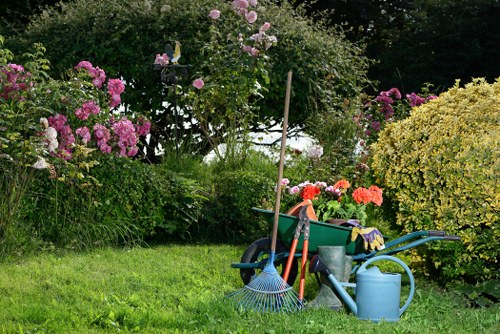
Hedge trimming is essential for several reasons:
- Health of the Plant: Regular trimming removes dead or diseased branches, promoting new growth.
- Shape and Structure: Trimming helps maintain the desired shape and size of your hedges.
- Safety: Well-maintained hedges prevent overgrowth that could obstruct pathways or block light.
- Aesthetic Appeal: Neatly trimmed hedges enhance the overall look of your garden, making it more inviting.
By keeping up with hedge trimming, you ensure that your garden remains a serene and beautiful space for you and your family to enjoy.
Best Time to Trim Hedges in Ponders End

Timing is crucial when it comes to hedge trimming. In Ponders End, the best times to trim most hedges are:
- Late Spring: After the initial growth spurt, usually around May.
- Mid-Summer: To maintain shape and control growth, typically in July.
- Late Autumn: Before the onset of frost, around October.
Avoid trimming hedges in late autumn or winter, as this can expose them to harsh weather conditions, potentially damaging the plants.
Essential Tools for Hedge Trimming
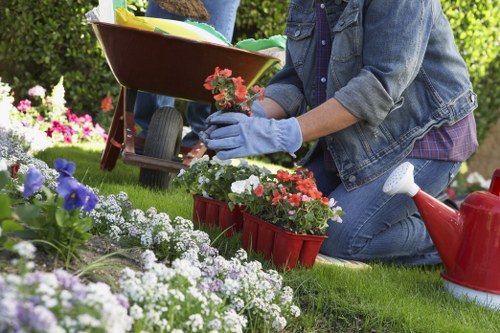
Having the right tools is essential for effective hedge trimming. Here are the must-have tools for the job:
- Hedge Trimmers: Electric or petrol-powered trimmers make the job easier and faster.
- Pruning Shears: For precise cuts on smaller branches.
- Loppers: Useful for thicker branches that require more force.
- Protective Gear: Gloves, safety glasses, and sturdy footwear to protect yourself while trimming.
- Ladder: Necessary for reaching higher parts of your hedges.
Investing in quality tools not only makes the trimming process smoother but also ensures the longevity of your equipment.
Step-by-Step Guide to Trimming Hedges

Follow these steps to achieve perfectly trimmed hedges in Ponders End:
1. Assess Your Hedges
Before you start, take a good look at your hedges. Identify any dead or diseased branches that need to be removed. Decide on the shape and size you want your hedges to be.
2. Gather Your Tools
Ensure you have all the necessary tools ready. This includes hedge trimmers, pruning shears, loppers, and protective gear.
3. Start Trimming
Begin by trimming the sides of the hedges. Use smooth, even strokes to create a uniform shape. Then, move on to trimming the top to achieve the desired height.
4. Remove Excess Branches
Carefully cut away any excess branches that disrupt the shape or health of the hedge. Make sure to make clean cuts to promote healthy regrowth.
5. Clean Up
After trimming, collect and dispose of all the clippings. This helps prevent pests and diseases from taking hold in your garden.
Common Mistakes to Avoid
Avoid these common hedge trimming mistakes to ensure your hedges remain healthy and beautiful:
- Over-Trimming: Cutting too much can stress the plant and inhibit growth.
- Incorrect Timing: Trimming at the wrong time can expose hedges to disease and pests.
- Using Dull Tools: Dull blades can cause ragged cuts, harming the plant.
- Poor Technique: Uneven trimming can lead to an unattractive and unbalanced appearance.
- Ignoring Plant Health: Failing to remove diseased branches can spread issues to the entire hedge.
By being aware of these pitfalls, you can maintain healthy and visually appealing hedges in your Ponders End garden.
Choosing the Right Hedges for Your Garden
Selecting the right type of hedge is crucial for the overall look and functionality of your garden. Consider the following popular hedge plants suitable for Ponders End:
- Boxwood: Dense and evergreen, perfect for formal hedges.
- Privet: Fast-growing and versatile, ideal for privacy screens.
- Yew: Hardy and long-lasting, great for hedges needing minimal maintenance.
- Laurel: Large and lush, provides excellent coverage and privacy.
- Holly: Evergreen with vibrant berries, adds color to your garden.
Choose plants that thrive in the local climate and soil conditions of Ponders End to ensure a lush and healthy hedge.
Local Regulations and Considerations
When trimming hedges in Ponders End, it's important to be aware of local regulations and community guidelines:
- Height Restrictions: Some areas may have limits on how tall your hedges can grow.
- Noise Ordinances: Be mindful of the noise from power tools, especially early in the morning or late at night.
- Property Boundaries: Ensure you're trimming only your property and not encroaching on neighbors’ spaces.
- Environmental Protection: Avoid damaging local wildlife habitats and adhere to conservation guidelines.
Understanding and following these rules helps maintain good relations with your neighbors and ensures a harmonious community environment.
Maintaining Your Trimming Equipment
Proper maintenance of your trimming tools extends their lifespan and ensures they function efficiently:
- Cleaning: Remove all plant debris from your tools after each use to prevent rust and buildup.
- Sharpening Blades: Regularly sharpen the blades of your trimmers and shears for clean cuts.
- Lubrication: Apply oil to moving parts to keep them working smoothly.
- Storage: Store your tools in a dry, sheltered place to protect them from the elements.
- Inspection: Regularly check for any damage or wear and replace parts as necessary.
Taking care of your tools ensures that hedge trimming remains a manageable and enjoyable task.
Professional Hedge Trimming Services in Ponders End
If you prefer to leave hedge trimming to the experts, several professional services are available in Ponders End:
- Local Gardeners: Experienced professionals who understand the specific needs of Ponders End gardens.
- Lawn Care Companies: Offer comprehensive services, including hedge trimming, lawn maintenance, and landscape design.
- Specialized Hedge Trimmers: Focus solely on hedge maintenance, ensuring high-quality results.
- Eco-Friendly Services: Providers who use sustainable practices and environmentally friendly products.
Hiring a professional can save you time and ensure that your hedges are maintained to the highest standards.
Cost of Hedge Trimming in Ponders End
The cost of hedge trimming can vary based on several factors:
- Size of the Hedges: Larger hedges require more time and effort, increasing the cost.
- Type of Plants: Some plants are more labor-intensive to trim than others.
- Frequency of Service: Regular maintenance contracts can be more cost-effective than one-off services.
- Additional Services: Cleanup, disposal of clippings, and other extra services might add to the total cost.
- Professional Rates: Different companies charge varying rates based on their expertise and reputation.
It's advisable to get quotes from multiple providers to ensure you receive a fair price for the services you require.
Eco-Friendly Hedge Trimming Practices
Adopting eco-friendly practices in hedge trimming benefits both your garden and the environment:
- Use Manual Tools: Hand shears generate no emissions and are quieter than electric or petrol-powered tools.
- Recycling Clippings: Compost trimmed branches to enrich your soil instead of sending them to landfill.
- Natural Fertilizers: Use organic fertilizers to promote healthy growth without harmful chemicals.
- Sustainable Practices: Trim hedges responsibly to avoid damaging local wildlife habitats.
- Energy-Efficient Equipment: If using power tools, choose energy-efficient models to reduce your carbon footprint.
Implementing these practices ensures that your hedge trimming activities are sustainable and environmentally friendly.
Incorporating Hedges into Your Garden Design
Well-trimmed hedges can significantly enhance your garden’s design. Here’s how to incorporate them effectively:
- Privacy Screens: Use tall, dense hedges to create secluded areas within your garden.
- Visual Boundaries: Define different sections of your garden, such as flower beds and lawns, with trimmed hedges.
- Windbreaks: Strategically placed hedges can protect your garden from strong winds.
- Aesthetic Features: Shaped hedges can serve as living sculptures, adding artistic value to your outdoor space.
- Habitat Creation: Diverse hedges provide habitats for various birds and insects, enhancing the biodiversity of your garden.
Thoughtful placement and shaping of hedges can transform your garden into a harmonious and visually appealing environment.
Troubleshooting Common Hedge Trimming Issues
Even with the best practices, you might encounter some issues while trimming hedges. Here’s how to address common problems:
1. Uneven Growth
If your hedges are growing unevenly, ensure you’re trimming all sides equally. Regular maintenance prevents branches from leaning or becoming lopsided.
2. Excessive Shedding
Heavy shedding can indicate over-trimming or improper pruning techniques. Trim sparingly and focus on maintaining overall shape rather than cutting too much at once.
3. Pest Infestation
Pests can damage your hedges, making regular inspection crucial. Remove any affected branches and consider using natural pest deterrents to protect your plants.
4. Disease Spread
Diseases can quickly spread if infected branches are not removed promptly. Always sanitize your tools after trimming diseased parts to prevent cross-contamination.
5. Tool Malfunctions
Regular maintenance of your trimming tools helps prevent malfunctions. Sharp, clean blades are essential for making precise and safe cuts.
Local Climate Considerations in Ponders End
Ponders End experiences a temperate climate, which influences the best practices for hedge trimming:
- Temperature: Mild temperatures allow for year-round trimming, but avoid extreme cold or heat.
- Rainfall: High rainfall periods may require more frequent trimming to prevent overgrowth.
- Soil Type: Well-drained soil in Ponders End supports healthy hedge growth, but occasional nutrient supplementation might be necessary.
- Sunlight: Ensure your hedges receive adequate sunlight by trimming any obstructing branches, promoting dense and healthy growth.
Understanding the local climate helps you tailor your hedge trimming schedule and techniques to achieve the best results.
Enhancing Hedges with Additional Plantings
Complement your hedges with other plants to create a diverse and vibrant garden:
- Flowering Plants: Add color and attract pollinators by planting roses, lavender, or other flowering species alongside your hedges.
- Herbs and Vegetables: Use hedges as a backdrop for growing herbs and vegetables, creating a functional and beautiful garden space.
- Climbing Plants: Integrate climbing plants like ivy or clematis with your hedges to add vertical interest.
- Ground Covers: Plant ground covers around your hedges to prevent weeds and add texture to your garden floor.
- Perennials and Annuals: Mix perennials and annuals to ensure year-round color and variety in your garden.
These additional plantings not only enhance the beauty of your hedges but also contribute to a more dynamic and engaging garden environment.
Seasonal Hedge Trimming Tips
Different seasons require different approaches to hedge trimming:
- Spring: Focus on removing any winter damage and encourage new growth by lightly trimming the hedges.
- Summer: Maintain shape and control growth by trimming in mid-summer, ensuring hedges don’t become too overgrown.
- Autumn: Prepare hedges for winter by doing a final trim, removing any weak or diseased branches.
- Winter: Avoid trimming unless absolutely necessary, as it can stress the plants during colder months.
Adapting your trimming techniques to each season helps maintain the health and appearance of your hedges throughout the year.
Benefits of Regular Hedge Trimming
Regular hedge trimming offers numerous benefits for your garden:
- Enhanced Appearance: Keeps your garden looking neat and well-maintained.
- Improved Plant Health: Removes dead or diseased branches, promoting overall plant health.
- Better Growth: Encourages denser growth and prevents hedges from becoming too tall or unruly.
- Increased Property Value: A well-maintained garden can enhance the overall value of your property.
- Privacy and Security: Dense, trimmed hedges provide better privacy and can act as a natural barrier against intruders.
Consistent hedge trimming is a key aspect of garden maintenance that yields both aesthetic and practical advantages.
Incorporating Technology in Hedge Trimming
Modern technology can make hedge trimming more efficient and precise:
- Electric Hedge Trimmers: Offer ease of use and reduce physical effort compared to manual tools.
- Battery-Powered Tools: Provide cordless convenience, allowing for greater mobility while trimming.
- Automated Trimming Systems: Advanced systems that can automate the trimming process, saving time and effort.
- Smart Garden Tools: Integrate with smartphone apps for better control and maintenance tracking.
- Robotic Gardeners: Emerging technology designed to handle various gardening tasks, including hedge trimming.
Embracing these technological advancements can streamline your hedge trimming routine, making it more manageable and effective.
Local Gardens Inspiring Hedge Trimming in Ponders End
Take inspiration from some of the beautiful gardens in and around Ponders End:
- Ponders End Park: Features well-maintained hedges that provide a serene environment for visitors.
- Greenwood Gardens: Known for its diverse hedge species and impeccable trimming standards.
- Riverbank Gardens: Showcases creative hedge trimming techniques that blend functionality with artistry.
- Sunset Park: Offers examples of eco-friendly hedge trimming practices integrated into the garden design.
- Willow Grove: Features hedges that serve as natural privacy screens and windbreaks.
Exploring these local gardens can provide valuable ideas and techniques to enhance your own hedge trimming efforts in Ponders End.
Upcoming Trends in Hedge Trimming
Stay ahead with the latest trends in hedge trimming:
- Sustainable Practices: Increasing focus on eco-friendly trimming methods and tools.
- Creative Shapes: Moving beyond traditional shapes to more artistic and personalized designs.
- Integrating Technology: Adoption of smart tools and automated systems for efficient trimming.
- Biodiversity: Encouraging diverse plant species within hedges to support local wildlife.
- Minimalist Designs: Emphasizing clean lines and simple shapes to create elegant garden features.
Keeping up with these trends can help you maintain a modern and attractive garden, while also supporting sustainable and innovative gardening practices.
Conclusion
Hedge trimming in Ponders End is a vital aspect of garden maintenance that enhances both the beauty and health of your outdoor space. By understanding the best practices, utilizing the right tools, and considering local conditions, you can achieve stunning results that transform your garden into a peaceful and vibrant oasis.
Whether you choose to tackle the task yourself or hire professional services, regular hedge trimming will ensure your hedges remain lush, dense, and visually appealing year-round. Embrace the art of hedge trimming and enjoy the myriad benefits it brings to your garden and overall well-being.
Frequently Asked Questions
1. How often should I trim my hedges in Ponders End?
Generally, hedges should be trimmed 2-3 times a year—typically in late spring, mid-summer, and late autumn. However, the frequency may vary depending on the type of hedge and its growth rate.
2. What is the best time of day to trim hedges?
The best time to trim hedges is in the late morning or early afternoon when the plants are well-hydrated. Avoid trimming during the hottest part of the day or in the early morning when plants are more susceptible to stress.
3. Can I trim my hedges myself, or should I hire a professional?
If you have experience and the right tools, you can trim your hedges yourself. However, for large, high, or complex hedges, hiring a professional ensures safety and the best results.
4. What should I do with the hedge clippings after trimming?
You can compost the clippings to enrich your soil, use them as mulch, or dispose of them according to your local council’s guidelines. Avoid leaving clippings around the hedges, as they can attract pests and promote disease.
5. How can I prevent pests from damaging my hedges?
Regular trimming helps remove dead or diseased branches that can attract pests. Additionally, use natural pest deterrents, maintain good garden hygiene, and inspect your hedges regularly for any signs of infestation.